
About Islam
Islam begins with a return.
A return to the One who created us, knows us, and calls us to live with purpose, humility, and truth. It is not a new religion, nor a break from what came before, but the same guidance Allah revealed to humanity through His prophets across time—calling every people to worship Him alone and to walk a path of righteousness.
For Muslims, Islam is not confined to belief or ritual. It is a way of life that shapes the heart, the mind, and one’s conduct. At its core, Islam nurtures peace through submission to Allah, mercy through obedience to His guidance, and justice through accountability. When Islam is lived as it was revealed, it brings clarity to faith and balance to life.
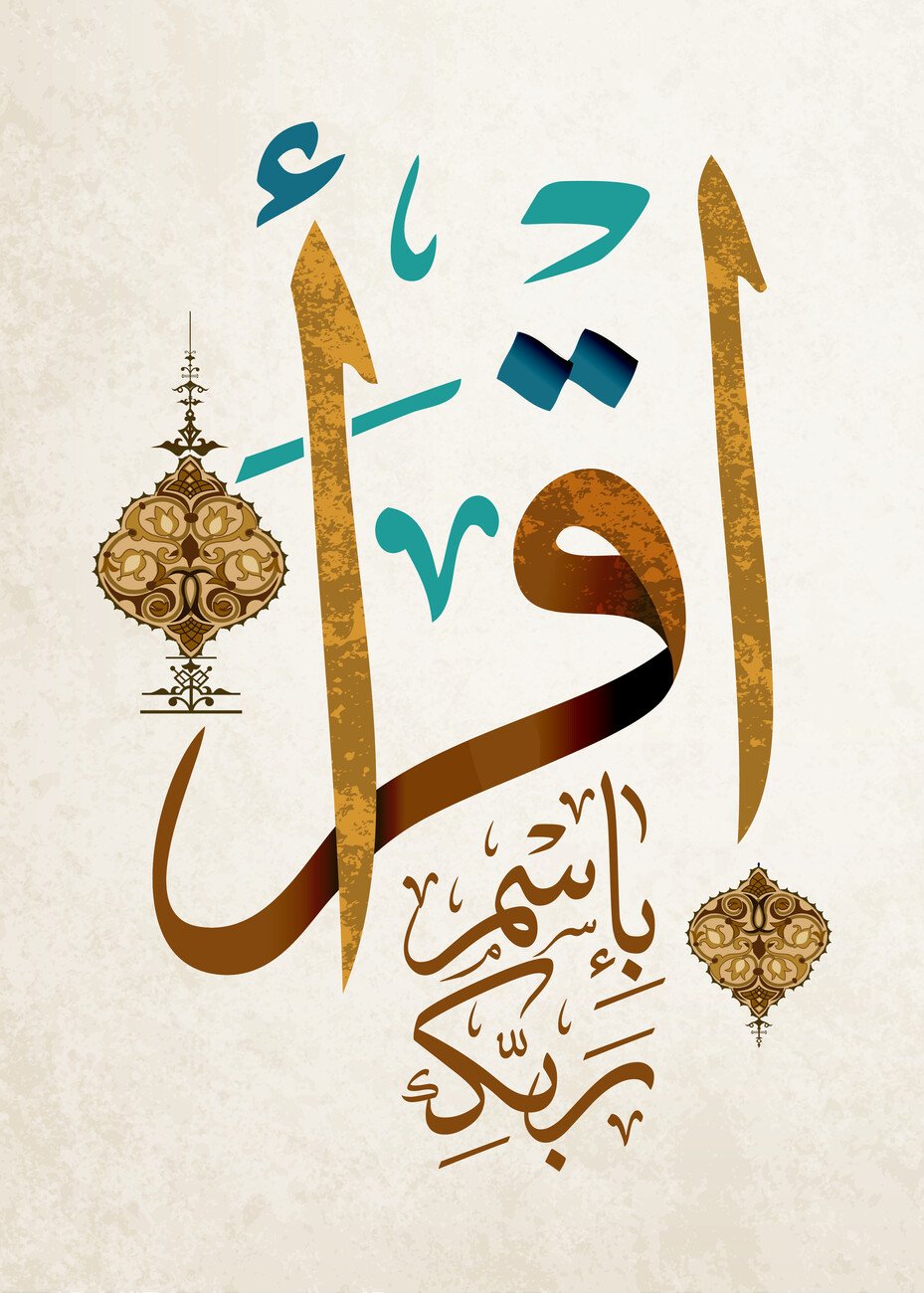
The word Islam itself means submission—willingly surrendering to the will of Allah.
From this submission comes true peace. A Muslim is therefore one who submits to Allah alone, without partners or intermediaries. Muslims do not worship the Prophet Muhammad ﷺ; rather, they worship Allah alone. “Allah” is simply the Arabic word for God, used by Arabic-speaking Muslims and Christians alike.
Throughout history, Allah sent prophets to guide humanity back to Him. Each carried the same essential message of monotheism and moral responsibility. Among them were Ibrāhīm (Abraham), Mūsā (Moses), Dāwūd (David), and ʿĪsā (Jesus), peace be upon them all. The final and complete revelation was sent through Muhammad ﷺ, the last of the prophets, in the form of the Qur’an—a preserved book meant to guide all people until the end of time.
Islam unites people of every race, culture, and background. It speaks to the human heart beyond ethnicity, language, or nationality—calling each soul to recognize its Creator and to live with awareness of Him. As Allah reminds us in the Qur’an:
يَا أَيُّهَا النَّاسُ إِنَّا خَلَقْنَاكُم مِّن ذَكَرٍ وَأُنثَىٰ وَجَعَلْنَاكُمْ شُعُوبًا وَقَبَائِلَ لِتَعَارَفُوا ۚ
إِنَّ أَكْرَمَكُمْ عِندَ اللَّهِ أَتْقَاكُمْ ۚ
إِنَّ اللَّهَ عَلِيمٌ خَبِيرٌ ﴿١٣﴾
O mankind, indeed We have created you from male and female and made you peoples and tribes that you may know one another. Indeed, the most noble of you in the sight of Allah is the most righteous of you. Indeed, Allah is Knowing and Acquainted. (49:13)
Who Is Prophet Muhammad ﷺ
Prophet Muhammad ﷺ is the final messenger sent by Allah to guide humanity back to the worship of Him alone. He did not bring a new religion, but completed the same call delivered by every prophet before him: sincerity in faith, upright character, and accountability before Allah.
Born in Makkah, he was known even before prophethood for honesty, trustworthiness, and moral integrity. At the age of forty, Allah revealed the Qur’an to him through the Angel Jibrīl—a guidance meant not for one people or time, but for all humanity.
The Prophet ﷺ lived the message he taught.
His life was marked by mercy, patience, humility, and steadfastness through hardship. He cared for the vulnerable, upheld justice, and called people to truth with wisdom and compassion.
Muslims do not worship Muhammad ﷺ. Rather, they love and follow him as the final prophet and servant of Allah. His Sunnah—his teachings and example—serves as a living explanation of the Qur’an and a guide for sincere faith.

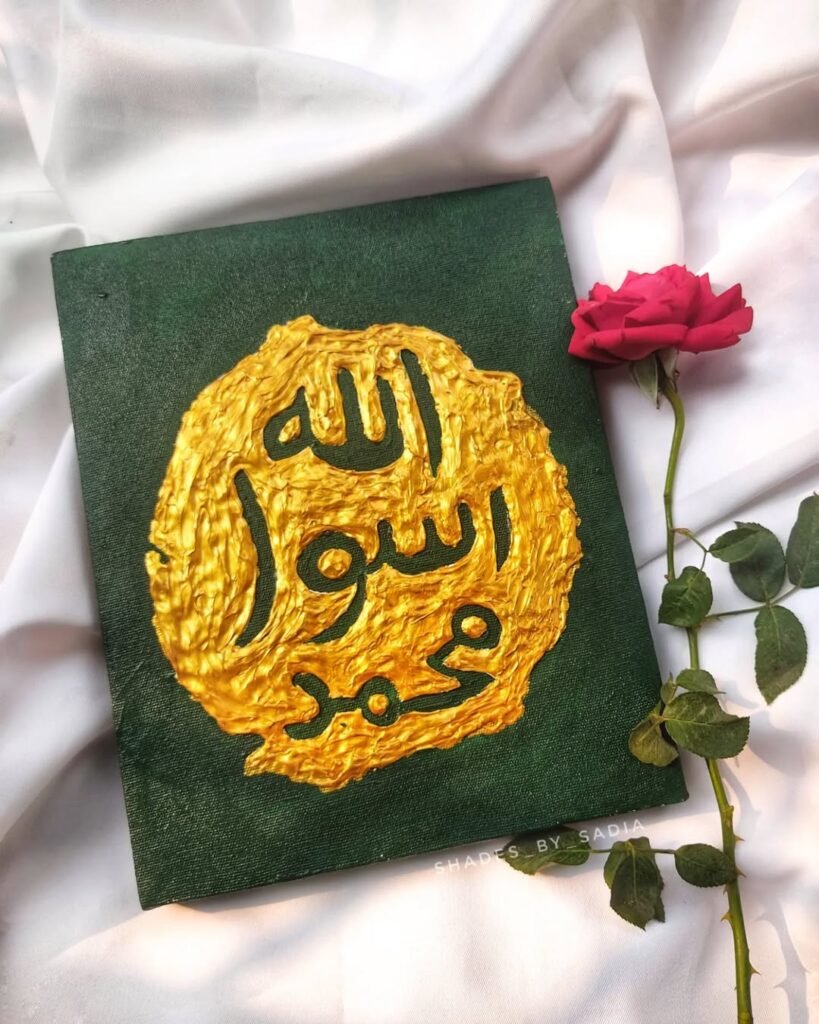
Through his message, hearts were awakened, purpose was restored, and the path back to Allah was made clear—by His permission.
Have a Question?
Submit your question and it will be reviewed and answered by qualified students of knowledge under scholarly guidance, in shā’ Allāh.